Building a private-label snow goggle line involves more than choosing a lens color. Brands must coordinate frame design, fitting, packaging, testing, and production timing. When different vendors handle each stage, changes can become difficult to track.
A single-factory workflow gives buyers one place to review decisions from early sketches through finished stock. For brands planning custom ski goggles, the practical goal is to turn a clear product brief into an approved item that can be produced consistently.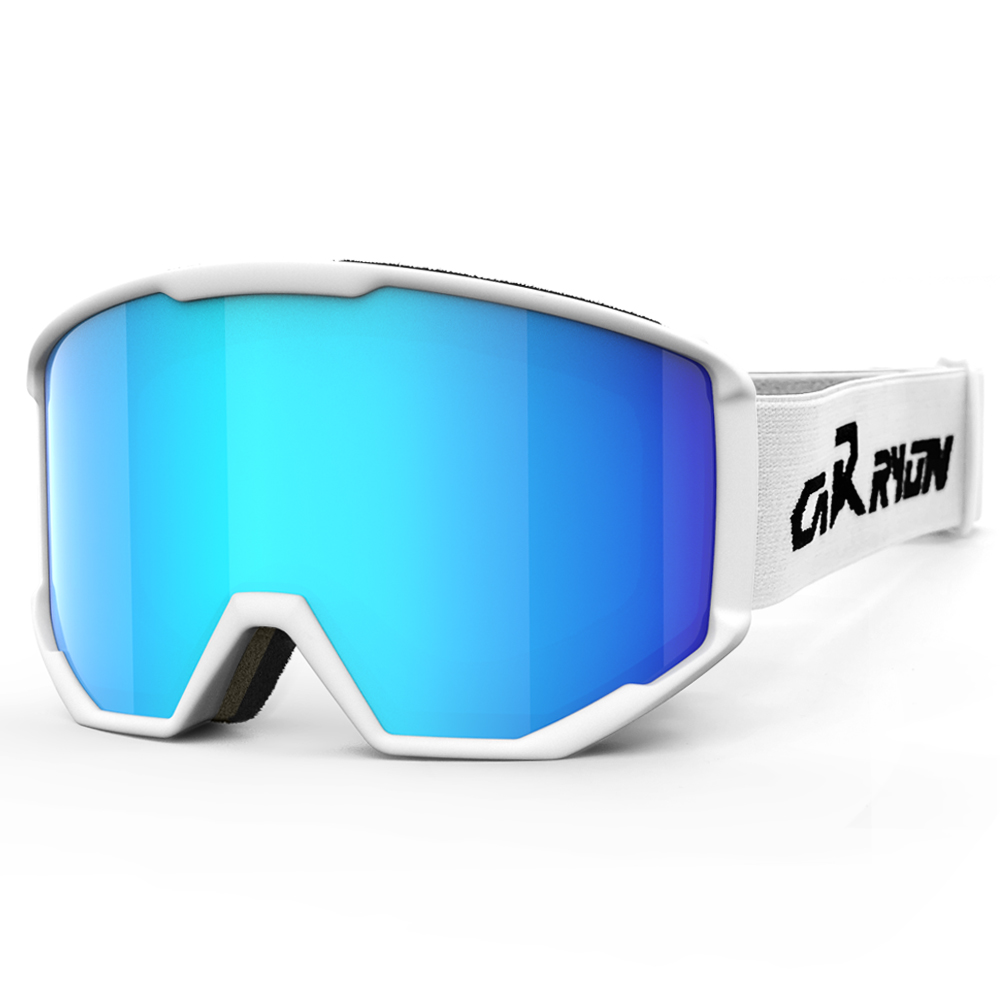
Before drawing a frame, buyers should identify their audience and intended conditions. Recreational skiers, snowboarders, and club customers may need different fits, appearance choices, and price positions. A useful brief includes the target wearer, helmet use, prescription-glasses needs, and preferred lens appearance.
Brand teams should also define what they want to customize. A new frame structure demands different development work from changing an existing model's strap, logo, or packaging. Confirming that distinction early helps the factory propose a realistic development route.
Reference images can explain visual direction, but dimensions and performance requirements need written confirmation. We ask customers to separate required features from optional details so design reviews focus on decisions that affect tooling and production.
Sketches establish the look of the goggle, including frame proportions and strap placement. Engineers then review whether the proposed shape leaves enough space for lenses, foam, ventilation openings, and helmet clearance.
During 3D development, revisions should be recorded against one approved version. Buyers can review renderings for appearance, but physical samples remain necessary for fit and handling.
At YIJIA Optical, our design and development team has more than ten years of sports industry experience. We support concept work, 3D design, mold development, sampling, and finished production. That sequence allows technical questions to be addressed before buyers commit to a production configuration.
For faster brand launches, an established model can provide a practical starting point. Frame geometry and lens construction are already defined, while approved customization options can create a distinct retail presentation. Buyers still need to check whether the base model suits their intended market.
New molds allow deeper changes to the product shape, but require additional design reviews and tooling decisions. Before tooling approval, buyers should confirm dimensions, component interfaces, ownership terms, and the process for requesting corrections.
When comparing ski goggles manufacturers, ask which changes affect tooling and which can be handled through standard production options. This distinction matters for budgeting and future repeat orders, especially for seasonal releases.
Our YH682 model offers an example of an existing platform. It has a full frame, cylindrical double lenses, anti-fog technology, UV400 protection, and an over-the-glasses design. Triple-layer face foam and ventilation features are also included for winter sports use.
For this model, we offer OEM and ODM options covering logos, straps, lenses, and packaging. Lens colors include ice blue, blue, purple, silver, gray, and black, with additional customization available. Buyers should confirm chosen combinations on a physical sample before approving artwork or bulk materials.
A sample review should include helmet fit, prescription-glasses clearance, strap adjustment, and visibility in expected conditions. Wearing trials reveal pressure points that photographs may miss.
Once the sample is approved, its specifications should become the reference for production. Record the lens option, colors, logo placement, strap artwork, foam details, packaging layout, and agreed inspection criteria. Changes after approval should be reviewed for their effect on cost and timing.
We operate a 16,000-square-meter workshop with 18 injection molding machines and equipment for light transmission, impact, anti-fog, and tensile testing. Those resources support development and quality checks, but buyers should still agree on the tests and acceptance criteria relevant to their order.
Comparisons among ski goggles manufacturers should consider how inspection findings are documented, not simply whether testing equipment exists. Records help teams resolve differences before distribution.
Brands need enough time for final artwork, sample confirmation, production, inspection, and freight arrangements. Our stated sampling turnaround is about seven days, while bulk production generally takes 25–30 days. Buyers should confirm the schedule for their exact specifications before setting launch dates.
Stock-based light customization can also suit smaller online brands. Our stated minimum is 50 pieces for stock items and 200–300 pieces for custom colors. More extensive development needs a separate quotation based on the requested changes.
When choosing among ski goggles manufacturers, buyers should also evaluate packing controls. For custom ski goggles, shelf readiness includes labeling, packaging accuracy, and consistency with approved samples. Coordinate carton information and shipping documents early, especially when several retail variants share similar frames.
Moving from sketch to shelf works better when every decision has an owner and a written reference. Brands should retain the approved sample, drawings, artwork, test requirements, and final packaging files.
At YIJIA Optical, we use this coordinated approach to discuss custom ski goggles projects with buyers. Clear approvals give both sides a practical basis for production and help future orders follow the same agreed specification.

